Understanding the Role of a Car Oil Pressure Sensor in Modern Engines
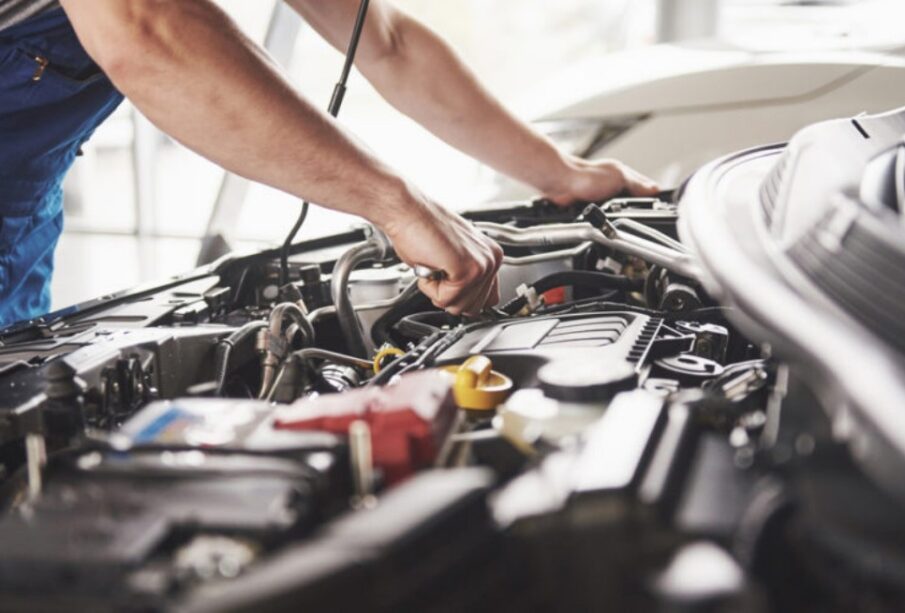
Now you should consider the heart of every vehicle. The engine relies on smooth movement. Internal parts rub against each other constantly. Metal surfaces create intense heat during operation. Modern engines require constant lubrication to survive. The oil pressure sensor monitors this vital flow. It acts as a primary guardian for your motor. This small component sends data to the computer. You depend on this part for engine health. Bird Automotive understands the importance of precise sensor readings. Proper monitoring prevents catastrophic mechanical failure.
The Basic Function of a Sensor
The sensor measures the force of the oil. It sits inside the engine block or head. High pressure keeps the moving parts floating safely. Low pressure allows metal to touch metal directly. This creates friction and ruins the engine quickly. The sensor detects changes in this internal force. It converts physical pressure into an electrical signal. This signal travels to the dashboard light immediately. Bird Automotive ensures that every sensor works perfectly always.
Warning Signs of Sensor Failure
Sometimes the oil light flickers on the dash. This causes stress for every single driver. You might check the oil level with curiosity. The dipstick often shows plenty of clean fluid. A faulty sensor sends the wrong message instead. The light stays on despite good oil flow. This creates confusion during your daily morning commute. Expert help from Bird Automotive keeps your vehicle safe. Swift action prevents very expensive engine repairs today.
Importance of Professional Diagnostic Testing
Professional tools reveal the true oil pressure level. A manual gauge provides the most accurate reading. Mechanics compare this to the sensor output carefully. Discrepancies indicate a failing or clogged sensor unit. The wires might also have some electrical shorts. Auto Repair in Blue Springs, MO experts look for these hidden issues. Specialized equipment finds the root of the problem. You receive a clear answer about the engine. Now the technician can replace the bad part. Clean sensors provide the most accurate engine data.
Impact on Overall Vehicle Longevity
The engine lasts longer with a working sensor. You avoid the risk of total engine seizure. Small sensors prevent the need for whole motors. Precise pressure readings help maintain the internal parts. The pump works harder when the oil is thick. Cold starts put stress on the entire system. A good sensor tracks these changes through time.
Conclusion
The oil pressure sensor is a tiny hero. It protects the most expensive part of cars. You must listen to the dashboard warning lights. Ignoring a sensor leads to very big trouble. Trust the data from your vehicle computer system. Professional shops help diagnose these electronic sensor issues. Accurate readings provide peace of mind for drivers. Your engine deserves the best care and attention. Keep the oil flowing and the sensors active. Safe driving starts with a healthy lubrication system.