

Choosing a Tow Truck for Serious Recovery Work
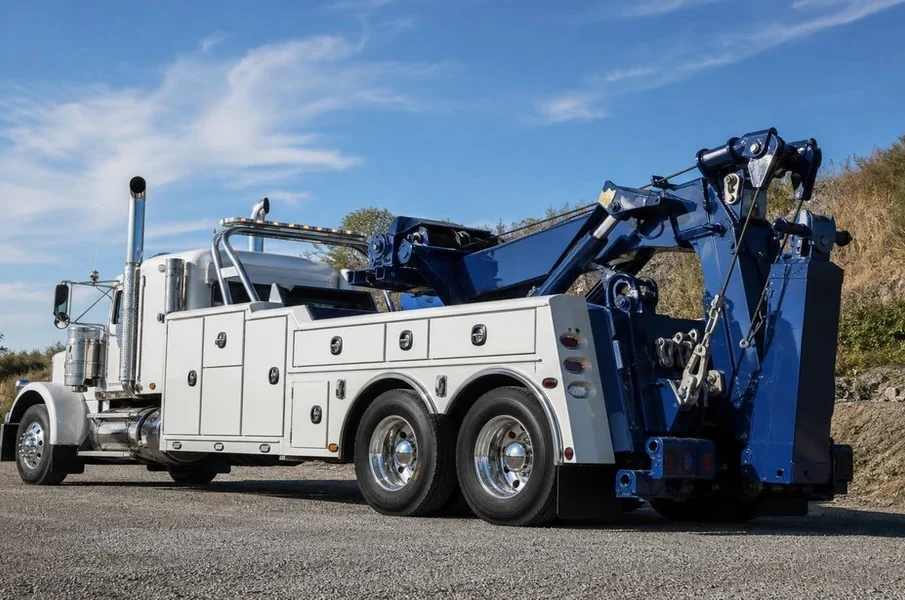
Heavy recovery tow truck
Selecting the right tow truck for recovery work isn’t easy. The job of a tow truck is to lift, stabilize, tow, and haul vehicles or other items that may weigh significantly more than the truck itself. If you’re a fleet owner, tow truck operator, or automotive professional looking to add a recovery truck to your lineup, it’s essential to find a unit that meets your needs. A truck that’s too small may restrict the types of jobs you’re able to accept and put people at risk, while one that’s too big will cost you more to operate.
Start with the calls you expect
Before you start searching through recovery truck listings, get an idea of the types of calls you expect to receive. Are you mostly towing passenger vehicles and cargo vans? Medium- and heavy-duty trucks? Construction and farm equipment? Motor homes? The ideal truck for recovering tractor-trailers and buses won’t necessarily be the best choice for disabled box trucks and service trucks, and vice versa.
Keep in mind that the total weight of a vehicle or piece of equipment isn’t the only important factor, as the weight distribution, whether or not it’s on a trailer, whether or not it’s been in an accident, the terrain it’s on, etc. all affect the difficulty of a recovery job – if you want the source, it’s en.wikipedia.org/wiki/Vehicle_recovery.
Make a list of the types of vehicles you expect to recover. For example:
- Cars, SUVs, and light-duty trucks/vans
- Medium-duty trucks
- Straight trucks, service/utility trucks, etc.
- Tractor-trailers, buses, farm/construction equipment
- Vehicles/equipment that have rolled over or ended up off-road
Once you have an idea of the types of calls you expect to receive, you’ll have a starting point for determining what size chassis, winch/boom capacities, wheel-lift configuration, etc. you’ll need.
Look past the chassis
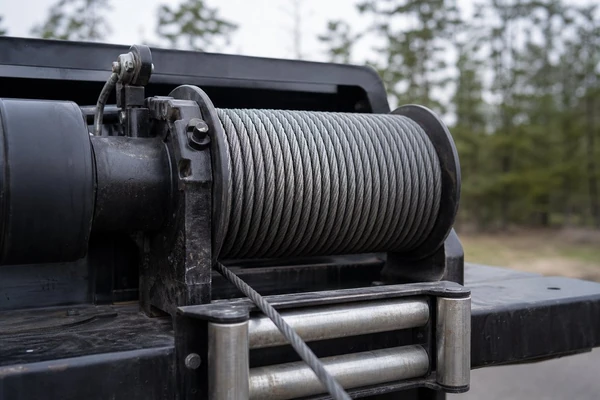
Tow truck recovery equipment
Give the winches a careful look
Winches will do a lot of the heavy lifting (literally) on a recovery job, so it’s important to know what they’re capable of and make sure they’re in good working order. Test-drive the winch(es) to make sure they operate smoothly under load. Determine what type of winch line (synthetic or cable) the truck has, and make sure it will work well for your intended uses.
Make sure it fits the business
Think about how the truck will fit into your current operations, asking whether it will have too tight of a turning radius for your facility, if you have enough space to store it, and if your employees are familiar with how to rig/recover vehicles. Will it sit idle most of the time?
A smaller conventional wrecker or rollback truck might be better if you mostly recover passenger vehicles and smaller trucks, as they tend to be easier to maneuver, park, and fuel, and cost less to maintain. Are there any permits/certifications/inspections required to operate the truck? How readily available are replacement parts and service centers? How long will it be out of commission for repairs? Can you afford to insure, maintain, and fuel the truck?
It’s important to think about all of these questions and more before jumping on a seemingly-great deal, since a heavy-duty recovery truck may cost less up-front, but can be quite expensive to maintain, fuel, insure, park, and keep road-worthy at all times.
Run the numbers
After determining that a heavy-duty recovery truck would be a good investment for your business, figure out what type of jobs you’ll be using it for and how much weight it’ll need to be able to lift/recover; you can check heavy-duty tow trucks for sale here. This will help you determine what size/weight of truck you’ll need, because there’s no point in investing in a monster recovery truck if all you’ll be recovering are sedans and smaller SUVs, for example.
Take your time inspecting the truck
Once you’ve narrowed down your list of heavy-duty recovery trucks to a few possibilities, start shopping! It’s always better to visit potential trucks in person, if possible. Bring along a comprehensive inspection checklist (there are plenty available online), and make sure to start the engine from a cold state, test-drive the truck, and operate all of the hydraulics to make sure everything’s in working order. Check the VIN/chassis number and make sure it matches what’s on the recovery body. Make sure all of the advertised features/specifications are accurate. Pay attention to the overall condition of the truck, and request to see any service/maintenance records.
Once you’ve narrowed it down to your top choice, do one last walkaround and make sure everything operates as it should (remote controls, alarms/warning lights, safety features/interlocks, emergency shutoffs, etc.). Operate all of the controls through their entire range of motion, and make sure you have a good line of sight from the operator’s station (this can make or break a tricky recovery situation!).
Don’t let shiny objects fool you into thinking a truck is in better shape than it really is, and make sure it’s equipped with everything you need to perform jobs safely and effectively before making an offer.


