Ergonomics and Safety in Modern Community Mobility Solutions
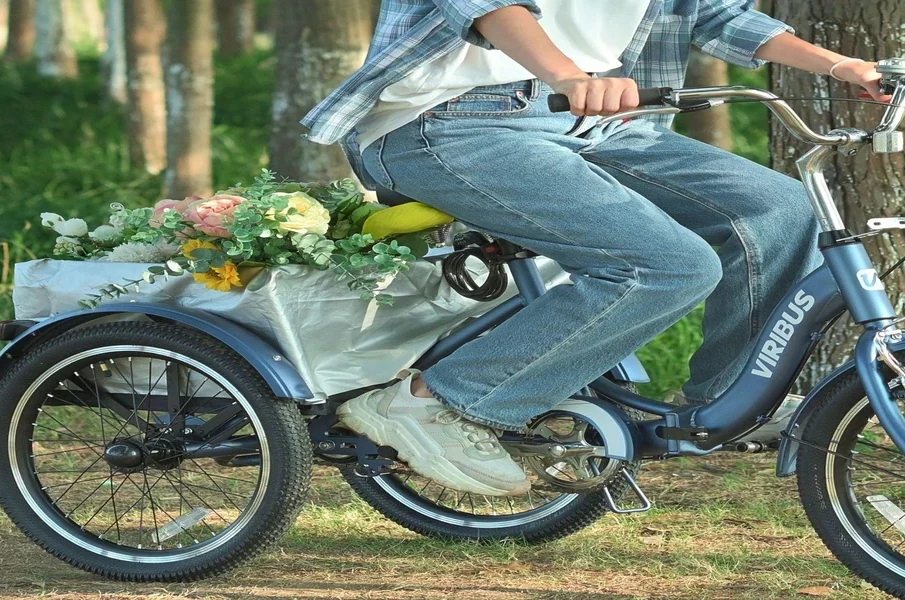
As suburban neighborhoods and urban planning increasingly prioritize bike-friendly paths, interest in alternative personal transport has surged. While speed-focused commuter bikes appeal to younger demographics, riders focused on comfort, cargo delivery, and safety are turning to three-wheeled configurations. Understanding the biomechanical advantages of these vehicles helps explain their increasing adoption across diverse age groups.
Stability remains the core concern for many returning cyclists. Age-related balance changes or past sports injuries can make two-wheeled riding nerve-wracking. Transitioning to dedicated Safe, Stable 3-Wheel Bikes eliminates tipping hazards, giving riders confidence during low-speed turns and sudden stops.
Biomechanics of Comfortable Commuting
Unlike sports bicycles engineered for aerodynamic speed, adult tricycles focus on spinal alignment and joint relief. The frame geometries are specifically designed to distribute rider weight evenly across a wider saddle surface.
Notable design elements include:
- Reduced Knee Compression: Pedal placement on cruiser-style trikes is slightly forward, allowing full leg extension without excessive knee bending.
- Adjustable Cockpits: Swept-back handlebars align natural arm position, keeping shoulders relaxed and preventing wrist numbness.
- Wide Track Width: A wide rear axle creates a broad support triangle, keeping the center of mass balanced during cargo hauling.
Integrating Electric Power into Daily Errands
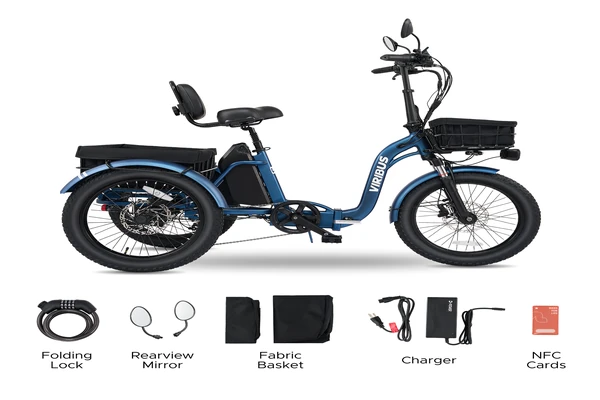
While mechanical trikes serve as excellent fitness tools, adding electric propulsion turns a recreational bike into a reliable vehicle for local errands. Equipping a frame with a hub motor and lithium-ion battery package transforms the platform into a versatile 3 Wheel Electric Bike & E-Tricycle capable of hauling 50+ pounds of grocery cargo without straining the rider.
Electric assist allows users to overcome headwinds, climb local road grades, and complete round trips of 20 to 35 miles on a single charge. This expanded range encourages replacing short automobile trips with eco-friendly open-air travel.
Choosing Equipment Based on Practical Requirements
Selecting the right platform requires assessing storage constraints and typical riding terrain. Compact folding frames work best for apartment dwellers or RV travelers, whereas fat-tire models handle unpaved gravel trails and sandy parkways. Reviewing Our Most Popular Models provides useful benchmarks regarding payload ratings, battery safety certifications (such as UL standards), and braking efficiency.
With ongoing improvements in battery density and frame ergonomics, three-wheeled bicycles continue to redefine personal neighborhood travel.