
How to Scrap Your Car in Singapore: What You Need to Know
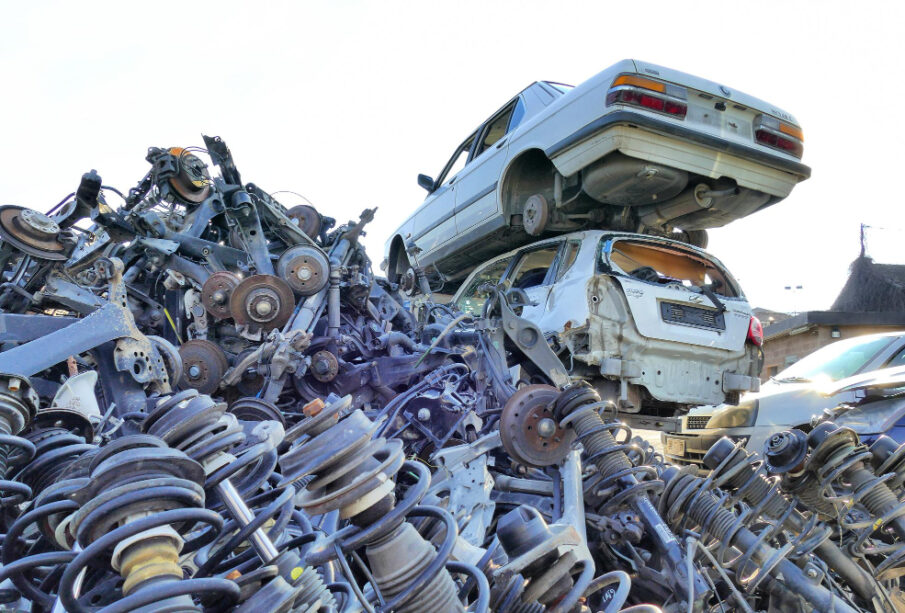
When your vehicle reaches the end of its Certificate of Entitlement, you need to understand how to scrap car in Singapore before making decisions that could cost you money or land you in legal trouble. Thousands of drivers face this reality every year, and the process involves more than just dropping off your old vehicle at a junkyard and walking away.
Why Vehicles Get Scrapped
Most people scrap their vehicles because the Certificate of Entitlement expires. In Singapore, every car needs a valid COE to remain on the road, and these certificates last ten years. When that decade ends, you face a choice: pay to renew the certificate or dispose of the vehicle. Many older cars are not worth the renewal cost, especially if they need repairs or have become unreliable.
The Land Transport Authority requires proper disposal. According to the LTA, “Once your vehicle is deregistered, it can no longer be kept or used in Singapore.” This is not a suggestion. It is the law. Drive a deregistered vehicle and you risk prosecution, fines up to $2,000, and possible imprisonment for up to three months.
What Your Scrap Value Actually Means
When you scrap car in Singapore, your total value comes from three sources. First, the COE rebate refunds unused time on your certificate. Second, the Preferential Additional Registration Fee rebate applies if your car is less than ten years old. Third, the scrapyard pays for the vehicle body based on metal prices and usable parts.
The rebates are straightforward calculations. The longer your COE has left before expiry, the more money you get back. PARF rebates decrease as vehicles age:
- Vehicles under five years old receive 75% of the Additional Registration Fee paid
- Vehicles between five and eight years old receive 50%
- Vehicles between eight and ten years old receive 25%
- Vehicles over ten years old receive no PARF rebate
The body value depends on market conditions. Scrapyards evaluate your car’s make, model, condition, and the demand for its parts. Popular models with valuable components fetch higher prices than uncommon vehicles that are difficult to part out.
The Deregistration Process
Before scrapping any vehicle, deregistration is mandatory. You cannot skip this step. The process requires clearing all outstanding road tax payments and settling any vehicle loans. Keep any unpaid obligations and the system will not let you proceed.
You need specific documents for deregistration:
- Original NRIC for Singaporeans and permanent residents
- Employment or Immigration pass cards for foreigners
- Vehicle log card
- Proof of identity
Handle deregistration online through the OneMotoring website using your Singpass credentials. Choose a Singpass-ineligible option and you must visit an LTA Customer Service Centre instead. Make an appointment at least one week ahead if you go this route.
Working With Authorised Scrapyards
The Land Transport Authority maintains a list of approved scrapyards. Use only these facilities. Unauthorised dealers cannot legally process your vehicle, and choosing them creates problems you do not need.
After deregistration, you have eight calendar days to deliver your vehicle to the chosen scrapyard. This deadline matters. Miss it and you must restart the authorisation process. The scrapyard cannot accept your vehicle without valid documentation showing proper deregistration.
The scrapyard issues a Certificate of Destruction after processing your vehicle. Keep this document. You need it to prove proper disposal and to claim your rebates. The LTA warns that failure to submit disposal proof within one month leads to prosecution with “a maximum fine of $2,000 or 3 months’ imprisonment.”
Timing Your Decision
Do not wait until your COE expires to start the scrapping process. Once the certificate expires, your vehicle becomes illegal to drive on public roads. You will need to pay for towing to transport it to the scrapyard, adding unnecessary costs to an already expensive situation.
Start arrangements at least two to three weeks before expiry. This gives you time to compare quotes from different authorised dealers, gather necessary documents, and complete the paperwork without rushing. Rushed decisions usually cost more money.
Getting Your Money
After deregistration and scrapping, you claim your rebates through the OneMotoring website. Log in with your Singpass, navigate to the PARF and COE rebate section, and submit your application. The LTA processes legitimate claims within two to four weeks.
The scrapyard pays for the vehicle body separately, usually on collection. Some dealers offer immediate payment while others process transactions after weighing and evaluating the vehicle. Clarify payment terms before signing any agreements.
Alternatives to Scrapping
Scrapping is not your only option. Export is possible if your vehicle has value in overseas markets. Cars in good condition sometimes fetch better prices abroad than from local scrapyards. The export process involves different paperwork and requires working with freight agents, but it might return more money.
Renewing your COE is another choice, though it costs considerably. The renewal price equals the prevailing quota premium at renewal time. For older vehicles requiring maintenance, renewal rarely makes financial sense.
Legal Requirements You Cannot Ignore
The authorities take vehicle disposal seriously. Keep a deregistered vehicle on your property and you break the law. Drive one and you compound the offence with charges for operating an uninsured, untaxed vehicle. The penalties increase for repeat violations, reaching fines of $5,000 or imprisonment up to six months.
Submit your disposal documents on time. Meet the deadlines. Follow the procedures. These are not optional steps. They are legal requirements with real consequences for non-compliance.
Making the Process Work
Understanding how to scrap car in Singapore means knowing the rules, following the procedures, and meeting the deadlines that govern vehicle disposal in this highly regulated system.