Utility Trailer vs. Car Hauler vs. Equipment Hauler: Which One Do You Actually Need?
Picking the wrong trailer is an expensive mistake. You either overspend on capacity you never use, or you undersize and end up with bent axles, fried bearings, and a load that sways every time a semi passes you on I-15. The team at Workhorse Trailers has spent years helping folks across Northern Utah sort through this exact question, and the answer almost always comes down to what you’re hauling, how often, and how heavy.
Below is the breakdown most dealers won’t give you in a five-minute showroom conversation. Utility trailers, car haulers, and equipment haulers overlap in ways that confuse first-time buyers, but each one is built with a specific job in mind.
Start With the Load, Not the Trailer
Before looking at decks, axles, or ramps, write down three numbers: the heaviest single thing you’ll haul, the heaviest combined load you’ll realistically carry, and the footprint of your biggest item in feet. Those three figures eliminate about 70% of the options on any lot.
A homeowner hauling yard debris and the occasional ATV is in a completely different category than a contractor moving a skid steer five days a week. Matching the trailer to the true use case saves thousands over its life.
Utility Trailers: The Everyday Workhorse
Utility trailers are the most common type you’ll see rolling down Highway 89, and for good reason. They handle dump runs, landscaping jobs, furniture moves, and weekend toy hauling without fuss. Sizes typically range from 5×8 single-axle models rated around 2,990 lbs GVWR up to 7×16 tandem-axle builds pushing 7,000 lbs.
Here’s where single vs. tandem axle matters. Single-axle utility trailers are lighter, easier to maneuver in tight driveways, and cheaper to maintain. If you’re hauling green waste, a push mower, or a single dirt bike, a single-axle 5×10 is plenty. Tandem axles become worth the upgrade once you’re regularly hauling over 3,500 lbs or traveling farther than across town. The second axle adds stability at highway speeds, better tire wear, and a safety margin if one tire blows.
Common fits for a utility trailer:
- Landscaping gear, firewood, gravel, mulch
- Two ATVs or a single side-by-side
- Motorcycles, dirt bikes, small campers
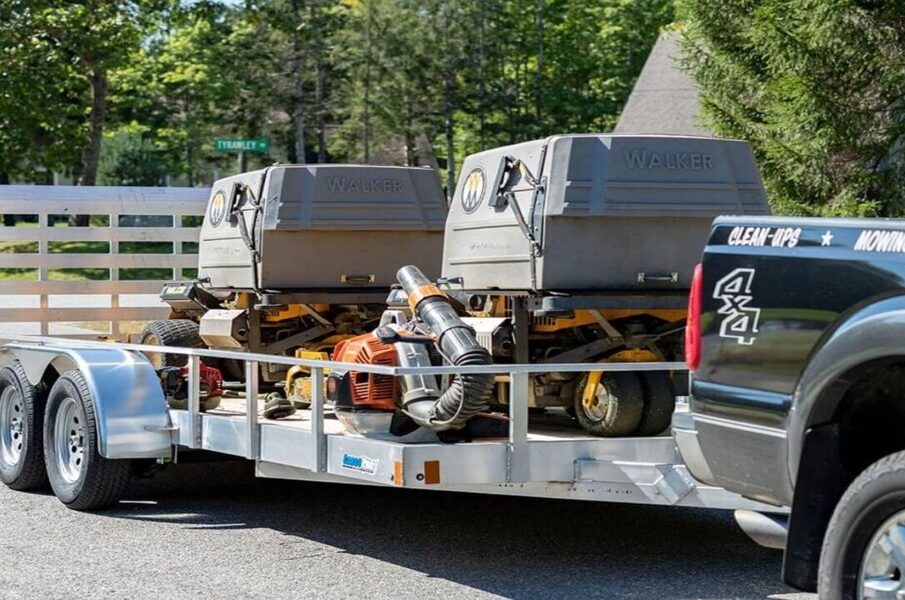
- Lawnmowers and push equipment
- Dump runs to the Salt Lake Valley Landfill or Logan Transfer Station
If you’ve ever said “I just need something basic for around the house,” this is your trailer.
Car Haulers: More Versatile Than the Name Suggests
The name is misleading. Car haulers do haul cars, but they’re really a general-purpose flat platform in the 7,000 to 10,000 lb range that handles a huge variety of loads. The deck is flat and open, usually 18 to 22 feet long, with a beavertail and fold-up ramps in back.
Workhorse Trailers sees car haulers used for classic car transport, project vehicle rescues, golf cart delivery, small tractors, and landscaping crews moving multiple machines at once. A 10K car hauler is often the sweet spot for someone who outgrew a utility trailer but doesn’t yet need a dedicated equipment hauler.
A few things to know before you buy one:
- The rear ramps matter. Slide-in ramps save deck space but are heavier to deploy. Fold-up ramps are quicker but add drag at highway speeds.
- Side loading with a forklift is possible on most car haulers, which is why small commercial operators like them.
- The 7K models are the lightest-duty commercial-capable option. If you run a side business, a 7K car hauler often qualifies as a tax-deductible work asset.
Where car haulers start to struggle is with tall, boxy equipment that needs tie-down points outside the deck footprint. That’s where the next category comes in.
Equipment Haulers: Built for Heavy, Ugly Loads
Equipment haulers are overbuilt on purpose. Heavier frame steel, larger 7K or 8K axles, bigger brakes, upgraded coupler ratings, and reinforced deck boards rated for tracked machinery. Typical GVWRs range from 14,000 lbs on a bumper-pull up to 25,900 lbs on gooseneck models.
These are the trailers you want for:
- Skid steers and compact track loaders
- Mini excavators in the 3,000 to 10,000 lb class
- Trenchers, stump grinders, and attachments
- Compact tractors with implements still mounted
- Farming equipment during planting and harvest seasons
The deck height and ramp angle are the two specs most buyers overlook. A skid steer with a low-profile bucket can scrape the deck edge on a poorly designed ramp, and a mini-ex with rubber tracks needs longer, gentler ramps to avoid damaging the undercarriage. Good equipment haulers run 5-foot ramps minimum, and many builders offer stand-up or hydraulic options.
For Utah buyers, also consider brake type. Electric brakes are standard, but if you’re pulling through the Wasatch or Uintas regularly, hydraulic surge or electric-over-hydraulic brakes give you more stopping confidence on long grades. The Utah DMV’s trailer registration guidelines outline which brake systems are required at specific GVWR thresholds, and it’s worth reviewing before purchase.
Matching Trailer to Real-World Use
A quick reality check based on what Workhorse Trailers sees most often:
- Hauling yard debris, a single ATV, or weekend gear: 6×12 or 7×14 utility trailer, single or tandem axle
- Moving cars, golf carts, small tractors, or running a side business: 18-20 ft car hauler at 7K or 10K
- Daily commercial use with skid steers, mini-ex, or farm equipment: 20-24 ft equipment hauler at 14K or heavier, gooseneck if you have the truck for it
The single biggest mistake is buying one size down to save money. A trailer that’s consistently loaded near its GVWR wears out axles, tires, and bearings fast. Buying 20% above your normal load gives you margin and extends trailer life by years.
Getting the Right Trailer the First Time
Most buyers settle into one of the three categories within ten minutes of honest conversation about what they actually haul. If you’re between sizes or considering a custom configuration, walking a lot in person beats scrolling specs online. Workhorse Trailers builds and stocks all three categories in Northern Utah, and custom builds are common when stock options don’t quite fit the job.
Stop by the lot or reach out with your load specs, truck info, and how you plan to use the trailer. A fifteen-minute conversation can save you from two years of regret and a trailer that never really fit the work.