Car Scrap Yard Singapore: What Happens to Your Vehicle After Collection?
Handing over the keys feels like the end of the story, but for the car, it is the start of a carefully managed process. Owners using a car scrap yard singapore often wonder what happens next, both to the vehicle and to their paperwork. The answer affects when rebates arrive, whether any personal data is left behind and how responsibly the car is recycled. This guide follows a car from the moment it is collected to the point where it becomes raw material, and explains what owners should check along the way.
Collection Day
On collection day, the scrap service arrives with a tow truck or arranges for the owner to drive the car in. The driver checks the car against the booking details and confirms the agreed price. The owner hands over the keys and any required documents. This is the last chance to check that all personal belongings have been removed. A brief handover record, ideally with photos, helps both sides if questions come up later.
Transport to the Yard
Once collected, the car is taken to the scrapyard. Cars that cannot be driven are towed, while roadworthy cars may be driven if road tax and insurance are still valid. At the yard, staff log the vehicle and confirm its registration details. This record supports the deregistration process with LTA and shows that the car has been handled properly. Owners should receive confirmation that the vehicle has arrived. If you do not receive this, ask the provider for it before the end of the day.
Deregistration and Paperwork
Deregistration usually happens around the time the car is collected. Key points include:
- Deregistration must be completed before the COE expiry date
- It can be done by the owner or with the help of the scrap service
- LTA calculates rebates once deregistration is processed
- Confirmation is available on OneMotoring
Owners should keep a record of the confirmation and check the expected rebate amounts.
Dismantling and Fluid Removal
At the yard, the car is prepared for dismantling. All fluids, including fuel, oil, coolant and brake fluid, are drained and collected separately. The battery is removed for recycling, and airbags are safely dealt with. These steps prevent pollution and protect workers. A responsible car scrap yard singapore will follow these procedures carefully, which is one reason it is worth choosing a facility with good standards.
Salvaging Parts
Useful parts are removed and assessed for resale. These can include engines, gearboxes, body panels, lights and wheels. Parts in good condition are sold for repairs or exported, giving them a second life. The amount salvaged depends on the car’s age, model and condition. Popular models with good parts often have higher scrap values for this reason. Cars with rare or discontinued parts can sometimes attract interest from repairers looking for spares.
Recycling the Body
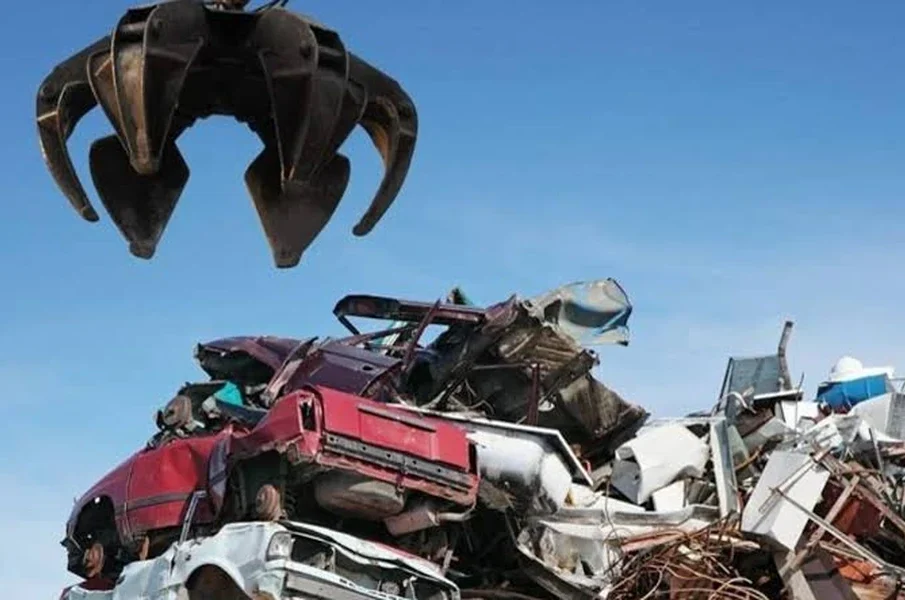
After salvage, the remaining shell is crushed or baled and sent for shredding. The shredded material is separated into ferrous metals, non-ferrous metals and residue. Steel and aluminium are sold to processors and melted down for reuse. Plastics, glass and tyres may also be recovered, depending on the facility. Most of a car’s weight can be recycled in this way.
Personal Data and Privacy
Modern cars store more personal information than many owners realise. Before collection, remove:
- Paired phones and contact lists
- Saved navigation addresses
- Garage door or gate remote codes
- Any payment cards in the in-vehicle unit
Once the car is at the yard, it may be difficult to retrieve or erase this information.
If the Car Is Under Finance
A car still under hire purchase belongs partly to the finance company until the loan is cleared. In that case, the financier must agree to the scrapping, and rebates are usually paid to them first. Any amount left after the loan is settled is then passed on to the owner. Asking for a redemption statement before collection avoids surprises and makes it clear how much will actually reach your account.
When Rebates Arrive
Rebates are usually paid within a few weeks of deregistration. The PARF rebate, COE rebate and road tax refund are calculated by LTA and paid to the registered owner, or to the finance company if a loan is outstanding. Any payment from the scrap service itself should be confirmed in writing beforehand. Owners should also contact their insurer to cancel the policy and claim any refund.
What Owners Should Check
After collection, owners should check that deregistration is confirmed on OneMotoring and that the expected rebates are listed. They should keep the agreement with the scrap service, any receipts and photos from handover. If something does not match, contacting the scrap service or LTA early makes it easier to resolve. Good records make the process smoother for everyone. Keep these records for at least a few months after the last payment arrives.
Choosing a Responsible Service
What happens after collection depends largely on the facility. Choose a service that explains each step, provides documentation and follows proper recycling and environmental practices. Ask how they handle deregistration, fluids and parts. With the right provider, owners can be confident that their old car is processed responsibly, and that the paperwork through a reliable vehicle scrapyard in Singapore is completed correctly.